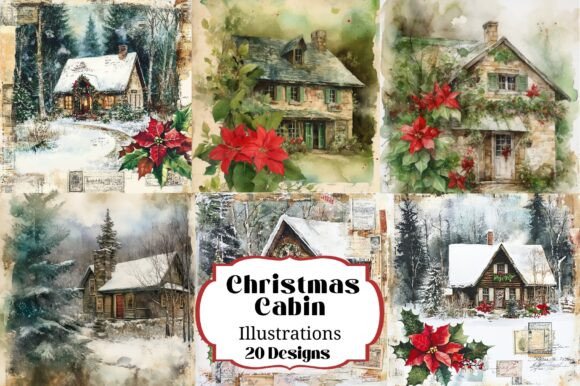
20 Dreamy Christmas Cabin Illustrations Review
As a brand designer who spends most of my day balancing aesthetic appeal with conversion metrics, I approach every new graphic design asset with a healthy dose of skepticism. The creative marketplace is flooded with generic clipart that looks cheap, but occasionally, something comes along that genuinely elevates a campaign. Recently, I evaluated the 20 Dreamy Christmas Cabin Illustrations bundle for a seasonal content project, and it has become a staple in my workflow for clients looking to inject warmth and nostalgia into their brand identity. This review breaks down how these illustrations perform in real-world marketing scenarios, from social media graphics to packaging design.
The First Impression: Mood and Emotional Tone
When you first open the folder containing these 20 designs, the immediate takeaway is the cohesive mood. In content marketing, emotion drives engagement, and "dreamy" is a powerful descriptor for the holiday season. These aren't just cartoonish cabins; they evoke a sense of cozy retreat, snow-covered peace, and festive anticipation. For small business branding, this emotional tone is invaluable. It signals to your audience that your brand understands the feeling of comfort they are seeking during December.
The visual style leans towards soft, illustrative textures rather than harsh vector lines or photorealistic images. This makes them incredibly versatile for modern design trends that favor hand-crafted aesthetics. Whether you are targeting an audience interested in handmade products, lifestyle coaching, or artisanal goods, these illustrations help establish an approachable yet professional appearance. They avoid the cluttered look of low-quality stock photos, offering instead a clean, curated feel that supports better product presentation.
Real-World Application in Marketing Campaigns
To understand the true value of this design bundle, imagine a scenario: A boutique candle company is launching a limited-edition "Winter Woods" scent line. They need a complete visual overhaul for their upcoming quarter. Here is how the 20 Dreamy Christmas Cabin Illustrations can integrate into that workflow:
- Social Media Graphics: Use individual cabin scenes as backgrounds for Instagram posts or Pinterest pins. The negative space often present in these illustrations allows for easy text overlay, ensuring a clear visual hierarchy without obscuring the main message.
- Packaging Design: If you sell physical products, these PNG designs can be scaled for box inserts, gift tags, or wrapping paper accents. They add a premium touch that encourages customers to share unboxing moments on social media.
- Email Banners: Replace generic holiday headers with a custom cabin illustration. This creates a stronger first impression and improves open rates by making emails feel personalized and thoughtfully designed.
- Digital Ads: For Facebook ads or Google Display campaigns, these visuals stand out against standard photographic backgrounds. They attract attention without looking messy or unprofessional, which is crucial for maintaining audience trust.
Supporting Brand Identity and Visual Consistency
One of the biggest challenges for creative entrepreneurs is maintaining visual consistency across different platforms. When you use a mixed bag of disparate images, your brand looks fragmented. Using a unified set like these cabin illustrations ensures that every touchpoint—from your website headers to your lead magnets—feels part of the same story. This consistency strengthens recognition and makes your brand appear more established and trustworthy.
Furthermore, these assets support editorial design needs beautifully. If you are a blogger or publisher creating a holiday-themed guide, these illustrations can break up text blocks and add decorative brand elements that guide the reader’s eye. They work well as dividers, section headers, or featured images, enhancing the overall readability and aesthetic pleasure of your content.
Where These Illustrations Shine Best
While versatile, some applications are more effective than others. Based on my testing, here is where this SVG design and raster collection performs at its peak:
- Hero Graphics: Large-scale banners for landing pages benefit from the detailed, dreamy quality of these cabins. They create an immersive entry point for visitors.
- Product Launch Visuals: When introducing a new item, pairing the product photo with one of these serene backdrops helps frame the item as part of a lifestyle, not just a commodity.
- Printable Promotions: For digital sellers, these can be turned into downloadable planners, wall art, or coloring pages, adding value to your email list offers.
- Mechandise: Stickers, mugs, and tote bags printed with these designs retain their color vibrancy and detail, making them attractive merchandise items.
Areas Requiring Careful Consideration
No single asset fits every brand strategy. There are specific contexts where you should exercise caution when using these illustrations:
- Formal Corporate Branding: If your client operates in finance, law, or heavy industry, the whimsical nature of "dreamy" cabins may undermine the seriousness required for professional branding. In such cases, stick to abstract geometric shapes or minimalist icons.
- Dense Information Layouts: Avoid placing these illustrations over complex data charts or dense text. The artistic details can compete with the main message, reducing clarity.
- Small Mobile Graphics: While high-resolution, intricate line work can sometimes blur or lose impact when scaled down to tiny mobile ad sizes. Always test readability in small sizes before finalizing your campaign.
- Low-Contrast Backgrounds: Ensure your background colors provide enough contrast so the illustration remains visible. Dark cabins on dark backgrounds will disappear, hurting engagement.
Practical Brand Designer Notes
Before integrating these assets into your commercial design projects, follow these technical checks to ensure maximum effectiveness:
Color Palette Integration: Test the illustrations against your brand’s primary and secondary colors. Do the warm tones of the cabins complement your palette, or do they clash? Adjusting the hue or saturation slightly can help them blend seamlessly.
Typography Pairing: Experiment with different font styles to see what balances the illustration best. A serif font might enhance the traditional, cozy feel, while a sans-serif font could modernize the look. Script fonts can add elegance for invitations, whereas handwritten fonts might suit a more casual, personal brand voice.
Mockup Testing: Place the designs inside real campaign mockups. View them on mobile screens to check spacing and balance. Compare them against competitor visuals to ensure you are standing out, not blending in.
Licensing Verification: Finally, always confirm the commercial license. Even if you are a small business owner, using assets incorrectly can lead to legal issues. Ensure you have the right to use these design assets in paid campaigns, client work, and resale products.
Final Verdict
The 20 Dreamy Christmas Cabin Illustrations is more than just a collection of pretty pictures; it is a strategic tool for enhancing visual hierarchy and emotional connection in your marketing materials. By providing a consistent, high-quality aesthetic, it helps brands communicate professionalism and care. For designers, marketers, and entrepreneurs looking to refresh their holiday visuals, this bundle offers significant value, supporting everything from logo design accents to full-scale digital ads. It is a strong addition to any creative toolkit, provided it is used with attention to context and brand alignment.