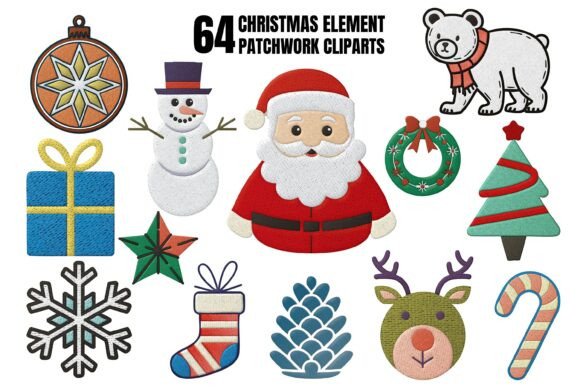
64 Christmas Element Patchwork Cliparts
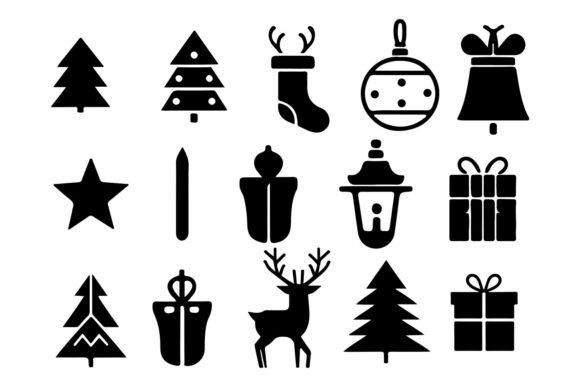
As a designer who spends more time than I care to admit staring at stitch lines and fabric grain, I don’t just buy clipart; I evaluate assets for their viability in real-world production. When I first pulled up 64 Christmas Element Patchwork Cliparts, my immediate reaction wasn't about the holiday cheer—it was about versatility. In the world of machine embroidery, "patchwork" is a dangerous word if it implies visual clutter, but here, it suggests structure. This collection feels less like a random scatter of festive icons and more like a curated library of modular design elements that can be assembled into cohesive narratives.
The mood this set creates is nostalgic yet modern. It avoids the overly saccharine or cartoonish tropes that often plague seasonal embroidery files. Instead, the shapes have a grounded, tactile quality that translates well to thread. For an Etsy seller or small business owner looking to refresh their holiday inventory, this isn't just another generic Santa file; it’s a toolkit. The variety allows for custom apparel that feels bespoke rather than mass-produced, which is exactly what customers are willing to pay a premium for today.
Real-World Application: From Screen to Stitch
I recently tested these elements with a specific project in mind: a line of personalized holiday gift sets. The goal was to create a cohesive brand identity across different product types without reinventing the wheel for every single item. Using 64 Christmas Element Patchwork Cliparts allowed me to maintain consistency while varying the composition. Imagine a custom embroidered tote bag featuring a large, structured patchwork layout of wreaths and stars, contrasted with a delicate, single-element monogram on a baby onesie.
This approach works exceptionally well for small shop products because it streamlines your workflow. You aren't designing from scratch for every SKU. Instead, you are curating. For craft fair products, this means faster turnaround times. A customer wants a kitchen towel? You pull two complementary elements from the set, adjust the scale, and stitch. They want a sweatshirt embroidery piece? You expand the patchwork concept into a larger, all-over layout. The adaptability here is the true value proposition.
However, not every element is created equal for every application. Some of the finer details within the cliparts might struggle on textured fabrics or thin materials. If you are aiming for a high-end boutique branding look, you need to be selective. Dense stitch areas require careful planning to avoid puckering, especially on stretchy fabrics like jersey knits used for t-shirts or caps. Always test the design on scrap fabric first. What looks crisp on screen can sometimes lose its definition when pushed through the hoop, particularly if the stabilizer choice isn't matched correctly to the garment weight.
Strategic Use Cases for Maximum Impact
The strength of this collection lies in its modularity. Here is how I see these designs performing in specific categories:
- Personalized Gifts: Monograms paired with small, intricate elements from the patchwork set create a sophisticated look for tea towels or pillow covers. The contrast between the clean lines of lettering and the organic shapes of the cliparts adds visual interest.
- Custom Apparel: For sweatshirts and hoodies, larger patchwork layouts work best. These garments can handle the density of fill stitches and satin borders better than lighter fabrics. Think of chest-sized patches or back-panel designs that tell a story.
- Baby Embroidery: Smaller, softer elements are key here. Avoid overly complex scenes that might feel overwhelming on tiny garments. Instead, use isolated motifs for cuffs, hems, or pocket placements on rompers and blankets.
- Digital Product Previews: As a digital embroidery file seller, having access to 64 distinct elements gives you endless opportunities for mockups. You can create printable mockups that showcase the versatility of the set, helping buyers visualize how they might use the assets in their own projects.
Technical Considerations and Pitfalls
While the artistic direction is strong, practical execution requires caution. One common mistake I see designers make is ignoring the limitations of small hoop sizes. Trying to cram too many elements into a 4x4 hoop often results in a cramped, hard-to-read design. Conversely, using a very large hoop for a simple motif can waste time and thread. Confirm hoop size compatibility before committing to a final layout.
Fabric texture also plays a huge role in the final aesthetic. On dark fabric, thread color contrast becomes critical. Light-colored threads may get lost in the weave, while dark threads might disappear against black material unless you use a contrasting underlay or a lighter base fabric. I recommend testing your thread colors against your actual production fabric. Don't rely solely on the digital preview. Inspect small details closely—tiny running stitches or fine satin edges can easily merge together if the stitch density is too high or the resolution is too low.
Another area requiring attention is the distinction between an applique design and a standard stitched outline. If any of these elements are intended for applique, ensure you have the correct placement marks and that your machine settings account for the extra bulk of the fabric layer. Similarly, check whether the design works for both personal and commercial projects. Licensing terms vary widely, and assuming a clipart pack includes commercial rights can lead to serious legal issues when selling finished products.
Elevating Brand Consistency and Customer Trust
In the crowded marketplace of handmade goods, professionalism is your biggest differentiator. Customers can often tell the difference between a rushed, poorly digitized file and one that has been thoughtfully designed. Using a cohesive set like 64 Christmas Element Patchwork Cliparts helps establish a recognizable style. When a buyer sees consistent visual language across your tote bag design, apron, and cap, it builds trust. It signals that you care about the details, which extends to the quality of your stitching and your overall brand presentation.
This consistency also enhances giftability. A well-designed holiday embroidery project feels like a thoughtful gesture rather than a quick purchase. The patchwork theme allows for creative storytelling—you can mix and match elements to reflect the recipient's personality or the specific occasion. Whether it's a wedding gift with elegant floral accents or a casual family reunion shirt with playful icons, the ability to customize within a defined style guide makes your offerings more appealing.
Final Verdict for the Practical Designer
64 Christmas Element Patchwork Cliparts is not just a bundle of pretty pictures; it is a functional resource for serious makers. It succeeds because it balances aesthetic appeal with structural integrity. The elements are designed to be manipulated, scaled, and combined, giving you the freedom to create unique compositions without starting from zero.
For those of us in the craft business, time is money. This set saves hours of design time while delivering high-quality results that compete with custom illustrations. Just remember to respect the technical constraints of embroidery. Test your stabilizers, choose your threads wisely, and always prioritize clarity over complexity. When used correctly, these designs will elevate your finished product, delight your customers, and strengthen your brand’s presence in the market. It is a solid investment for anyone looking to streamline their holiday production without sacrificing creativity.