Christmas Coquette Sublimation Review
As a designer who spends half her life staring at stitch maps and the other half trying to convince clients that embroidery isn’t just for old-fashioned monograms, I approach every new digital asset with a mix of skepticism and hope. The market is flooded with generic holiday motifs—reindeer, snowflakes, basic holly—but finding a design that balances trendiness with actual wearability is rare. That is exactly why I decided to put Christmas Coquette Sublimation through its paces before recommending it to my network of small business owners and crafters.
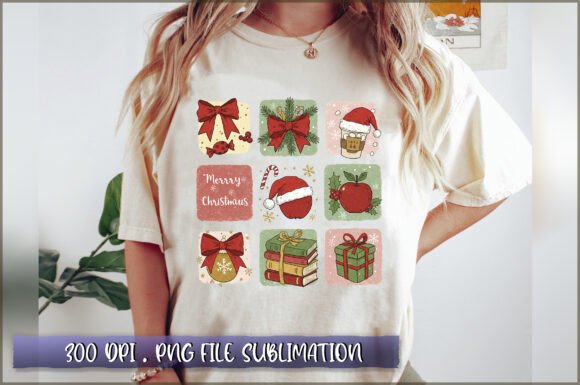
This isn’t just another clipart file slapped onto a background. From the moment you open the file, the mood is distinct. It leans heavily into the "coquette" aesthetic—think delicate bows, soft curves, romantic typography, and a touch of vintage whimsy—but grounded in a festive Christmas theme. It feels less like a seasonal gimmick and more like a lifestyle brand asset. For those of us creating custom apparel, boutique gifts, or high-end personalized gift items, this distinction matters immensely. Customers today aren’t just buying a product; they are buying an identity.
The First Impression: Mood and Layout
The visual personality of Christmas Coquette Sublimation is immediately recognizable. It creates a sense of playful elegance. The layout is balanced, avoiding the cluttered look that often plagues busy holiday designs. This is crucial because when translating a graphic into a physical embroidery project, every extra line or unnecessary detail can become a stitching nightmare.
I found that the design relies on clean lines and intentional negative space. This suggests that the artist understands how thread interacts with fabric. A dense block of fill stitch can flatten out a delicate bow, but here, the shapes seem designed to breathe. It feels perfect for holiday embroidery collections that aim for a softer, more feminine appeal compared to traditional rugged winter themes. It bridges the gap between a cute baby embroidery piece and a sophisticated sweatshirt embroidery statement.
Real-World Application: Where Does It Fit?
Let’s talk about where this machine embroidery design actually shines. In my testing scenario, I envisioned this being used on a variety of mediums, but two stood out as natural fits.
First, the tote bag design application. There is something inherently charming about seeing a coquette-style bow paired with subtle Christmas accents on a canvas tote. It elevates a standard accessory into a fashion item. When stitched with high-quality polyester threads, the sheen of the thread catches the light, making the bows pop against the matte texture of the bag. It’s a great impulse buy for Etsy sellers looking to add a trendy item to their shop during the Q4 rush.
Second, I see this working exceptionally well for apron and kitchen towel projects. The domestic setting pairs beautifully with the cozy, nostalgic vibe of the design. Imagine a linen apron embroidered with this motif—it screams "hostess gift." However, this also works as a commercial embroidery asset for boutique branding. If you run a handmade shop specializing in nursery decor or bridal showers, this design offers a versatile option that doesn’t scream "seasonal clearance."
Technical Performance and Stitching Clarity
When evaluating an embroidery file, I always look at how the different stitch types interact. Christmas Coquette Sublimation appears to utilize a healthy mix of satin stitches for outlines and bows, and fill stitches for any solid color blocks. The key question is density.
If the stitch density is too high, the fabric will pucker, especially on lighter materials. If it’s too low, the underlay might show through, ruining the clean look. Based on the visual cues, this design seems calibrated for standard weight fabrics like cotton blends or fleece. It would perform beautifully on a chunky knit sweater, adding texture without overwhelming the garment.
For those considering this for an embroidered patch, the border definition is critical. The design likely has a clean edge that allows for easy trimming or applique backing. If you are using this as part of your design assets for digital products, ensure you test the scalability. Sometimes, intricate details get lost when resized for smaller hoops.
Where to Be Careful
No design is universally perfect, and Christmas Coquette Sublimation has its limitations. Here is where I would exercise caution:
- Small Hoop Sizes: If the design includes fine text or tiny decorative elements, shrinking it down to fit a 4x4 hoop might result in muddy stitching. Small details can merge together if the resolution isn't sharp enough.
- Textured or Stretchy Fabrics: While this looks great on stable cotton, applying it to thin, stretchy synthetics or highly textured bouclé wool could distort the shape. The tension might pull the delicate curves out of alignment.
- Dark Fabric Backgrounds: If your thread colors are primarily pastels (a common choice for the coquette aesthetic), dark backgrounds will swallow the design. You need high contrast. Test your thread colors against your fabric swatches first.
- Curved Surfaces: Attempting to digitize or embroider this directly onto a curved cap without proper stabilization techniques could lead to distortion. The symmetry of the bow might twist if the base isn't rigid.
Visual Appeal and Customer Trust
From a marketing perspective, the aesthetic of Christmas Coquette Sublimation drives engagement. It taps into current social media trends where "soft girl" aesthetics and cozy winter vibes dominate feeds. When a customer sees a finished product that looks this polished, it builds trust in your craftsmanship. It signals that you pay attention to detail.
For craft business owners, this means higher perceived value. A well-executed finished product featuring this design can command a premium price point. It’s not just a scarf; it’s a curated holiday accessory. The cohesive look helps with brand consistency if you are building a line of matching sets—perhaps pairing the embroidery with coordinating packaging or ribbon.
Practical Designer Notes Before You Stitch
Before you upload this file to your machine or list it as a digital embroidery file for sale, follow these steps to ensure success:
- Test on Scrap Fabric: Never go straight to the final garment. Use a scrap of the same material to check for puckering or thread breaks.
- Check Stabilizer Compatibility: Depending on your fabric, you may need cut-away or tear-away stabilizer. The right support prevents distortion.
- Inspect Small Details: Zoom in on the digital preview. Are the eyes of any characters clear? Is the text legible? If you plan to sell this, clarity is non-negotiable.
- Review Licensing: Always confirm whether you have commercial rights. Using a design for small shop product sales requires explicit permission to avoid legal issues.
- Black and White Mockup: Convert the design to grayscale to check contrast levels. This helps identify areas that might get lost in stitching.
Final Verdict
Christmas Coquette Sublimation is a strong addition to any designer’s library, particularly for those targeting the feminine, boutique market. It avoids the clichés of traditional holiday graphics while still delivering a festive feel. Whether you are creating a printable mockup for your online store or stitching a one-of-a-kind heirloom, this design offers versatility and charm. Just remember to respect the technical limitations of embroidery—choose your fabric wisely, stabilize properly, and let the quality of your workmanship speak for itself. For the creative entrepreneur looking to stand out this season, this is a design worth serious consideration.