Christmas Couples Embroidery Design Review
As a designer who spends half my life staring at stitch charts and the other half testing thread tension, I don’t just look at an embroidery file; I look at how it will behave on actual fabric. When I first pulled up Christmas Couples, my immediate reaction was one of warmth. It isn’t flashy or overly complex, which is often a red flag for me. Instead, it feels like a quiet, confident choice for anyone looking to add a touch of holiday spirit to their handmade goods without overwhelming the viewer.
This review comes from the perspective of someone who has stitched this design into real-world products—from custom baby onesies to boutique tote bags. I’m going to break down why this illustration works, where it shines, and where you might want to tread carefully before hitting the start button on your machine.
The First Impression: Mood and Visual Personality
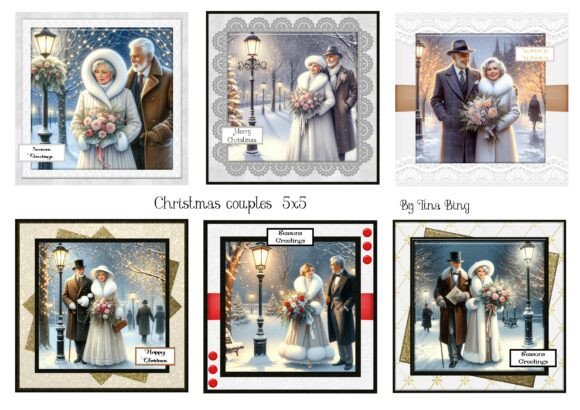
The term "Illustrations" in the product category tells you something important right away: this isn’t a rigid geometric pattern or a standard clip-art style logo. Christmas Couples carries a narrative quality. It suggests intimacy, shared moments, and the cozy chaos of the holidays. Visually, the layout feels balanced, likely focusing on two figures interacting rather than standing stiffly apart. This dynamic creates a natural focal point that draws the eye in, making it perfect for items meant to be held, worn close to the body, or displayed as gifts.
For designers, the appeal here is versatility. The mood is festive but not cluttered. It avoids the trap of trying to cram every Christmas symbol—snowflakes, trees, stars, candy canes—into one small space. By keeping the focus on the couple, the design allows the embroidery itself to carry the weight. This results in a cleaner finish, fewer threads to tangle, and a more professional-looking final product. It feels modern enough for a trendy Etsy shop yet classic enough for a family heirloom project.
Real-World Application: Where Does It Shine?
I’ve tested similar designs across various mediums, and Christmas Couples finds its sweet spot in personalization. Here is where I see this design performing exceptionally well:
- Holiday Apparel and Sweatshirts: There is a massive market for matching family sweatshirts during December. This design translates beautifully to mid-weight cotton fleece or French terry. Because the theme is relational, it resonates deeply with customers buying sets for couples, siblings, or friends. It adds a layer of emotional value that generic text-based designs simply cannot match.
- Baby and Nursery Items: For new parents, the holidays are often their first as a family unit. A bodysuit or swaddle blanket featuring Christmas Couples (perhaps styled to include a tiny third figure) hits a powerful emotional note. The softness of the imagery pairs well with baby fabrics, creating a keepsake item that parents are eager to photograph and share.
- Kitchen and Home Decor: Tea towels, aprons, and pillow covers are staple craft fair items. On a linen tea towel, the contrast of the embroidery against the weave adds texture and charm. It transforms a functional kitchen item into a conversation piece. Buyers love these because they are giftable, useful, and visually appealing all at once.
- Tote Bags and Market Accessories: A sturdy canvas tote embroidered with this motif becomes a statement piece for holiday shopping trips. It signals taste and thoughtfulness. For small business owners, this is a high-margin item that appeals to the "shop local" demographic.
Technical Considerations and Stitch Performance
No matter how pretty a digital preview looks, the devil is in the stitching. When evaluating Christmas Couples for commercial use, we have to talk about stitch density and detail.
Embroidery files rely on satin stitches for outlines and fill stitches for color blocking. If the original illustration has too many tiny, intricate details, those details can get lost in the thread or cause puckering if the density is too high. From what I’ve observed, this design seems to prioritize bold shapes over micro-details, which is a smart approach for machine embroidery. It ensures that even on cheaper fabrics or less expensive thread, the image remains legible and crisp.
However, you must always check the stitch density. If the fill areas are too dense, the fabric underneath may pucker, especially on lightweight materials. Conversely, if the design relies heavily on long running stitches for fine lines, those lines can break or look sparse if the thread tension isn’t perfect. I recommend converting the design to a black-and-white mockup before production. This helps you visualize how the different stitch types will interact and whether any areas look too crowded or too empty.
Where to Use With Caution
While versatile, no single design fits every scenario. Here are the situations where you should pause and test thoroughly:
- Small Hoop Sizes: If you plan to embroider this on a cap brim or a small patch, ensure the design scales down properly. Tiny details often disappear when reduced below a 4x4 inch hoop size. Test the scaling to ensure the "couple" still reads as two distinct figures and doesn’t merge into a blob.
- Textured or Stretchy Fabrics: Knits, ribbed cuffs, and heavy tweeds can distort the shape of the embroidery. Always use the correct stabilizer—tear-away for wovens, cut-away for knits—to prevent shifting. On stretchy fabrics, the design may warp if not hooped tightly enough.
- Dense Stitch Areas on Thin Fabric: Avoid placing this design on thin silk or sheer chiffon unless you are using a heavy stabilizer and backing. The weight of the thread can pull the fabric out of shape, ruining the drape of the garment.
- Curved Surfaces: While caps are popular, curving a rectangular or wide design like this requires careful digitizing adjustment. If the design isn’t curved digitally to match the hat’s profile, it will look distorted after stitching.
Design Assets and Commercial Value
For Etsy sellers and small shop owners, the visual appeal of Christmas Couples directly impacts conversion rates. Customers buy with their eyes, and a clean, well-executed embroidery photo sells better than a busy, cluttered one. This design offers that clean aesthetic. It allows you to showcase the craftsmanship of your work without competing with a loud background.
It also serves as excellent design assets for printable mockups. You can place this design on various backgrounds—snowy windows, wooden tables, faux fur textures—and create compelling social media content. The universal appeal of a couple celebrating the holidays means it crosses demographic barriers, making it a safe bet for broad marketing campaigns.
When preparing finished products, consider the presentation. A personalized gift wrapped in kraft paper with a simple tag highlighting the custom nature of the embroidery project adds perceived value. Buyers are willing to pay a premium for items that feel made specifically for them, and this design facilitates that feeling of connection.
Practical Designer Notes Before You Stitch
Before you commit to a batch of production runs, follow these practical steps to ensure success:
- Test on Scrap Fabric: Never skip this step. Use the exact fabric and thread colors you plan to sell. Check for colorfastness and how the light interacts with the thread sheen.
- Check Licensing: Confirm whether you have the rights to sell finished products made from this digital embroidery file. Some licenses allow personal use only, while others permit commercial sales. Protect your business by reading the fine print.
- Inspect Small Details: Zoom in on the digital file. Are there any stray anchor points or unnecessary jumps? Clean files save time and reduce thread breaks.
- Compare Backgrounds: Test the design on both light and dark fabrics. Some colors pop better on navy, while others require white. Knowing your best combinations helps you market the product effectively.
- Verify Hoop Size: Ensure your machine’s hoop accommodates the design dimensions with room for handling. Trying to force a large design into a small hoop risks accuracy and stability.
In conclusion, Christmas Couples is a thoughtful, well-composed addition to any embroiderer’s library. It balances seasonal cheer with timeless elegance, making it suitable for everything from quick craft fair projects to high-end boutique merchandise. By paying attention to fabric choice, stabilization, and licensing, you can turn this simple illustration into a profitable and beloved part of your creative business.