Handdrawn Whimsical Christmas Trees for Bloggers and Publishers
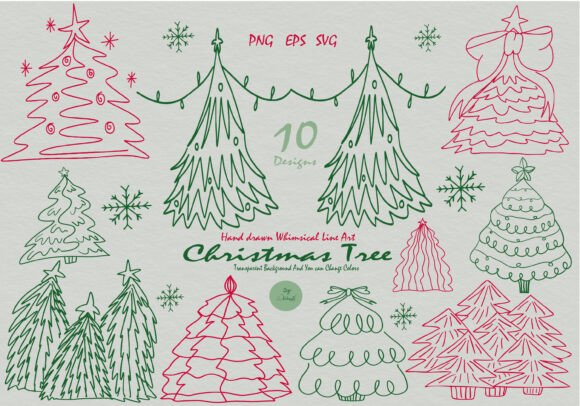
In the world of digital publishing, the difference between a scroll-past and a click-through is often visual. As a blog designer who has spent years refining editorial layouts and optimizing content for engagement, I know that readers form an opinion about your authority within seconds. That is why selecting the right graphic design asset is not just an aesthetic choice; it is a strategic business decision. Today, I am reviewing the "Handdrawn Whimsical Christmas Trees" illustration pack to see how it fits into real-world workflows for bloggers, affiliate marketers, and digital publishers.
The First Impression: Mood and Editorial Voice
When you first open this collection of Illustrations, the immediate takeaway is warmth. In a digital landscape that can often feel cold or overly corporate, these hand-drawn elements bring a human touch. They evoke a sense of nostalgia and cozy comfort, which is exactly what audiences crave during the holiday season. For lifestyle bloggers, home decor enthusiasts, and creative entrepreneurs, this style signals approachability. It suggests that your brand is friendly, artistic, and attentive to detail.
However, it is important to recognize the specific niche this supports. This is not a design asset for high-finance blogs or serious legal newsletters. Instead, it thrives in spaces that value creativity, personal connection, and seasonal joy. The whimsical nature of the trees—likely featuring loose lines, organic shapes, and playful details—creates a visual hierarchy that guides the eye without shouting. It allows your headline text to remain the primary focus while providing a decorative frame that enhances readability rather than distracting from it.
Real-World Publishing Applications
So, where does this fit into your actual content calendar? During Q4, traffic patterns shift, and users are looking for inspiration, gifts, and festive activities. Here is how I would integrate these assets into a comprehensive content marketing strategy:
- Pinterest Pins: Pinterest is a visual search engine, and vertical graphics with strong thematic elements perform exceptionally well. Using these trees as background accents or corner flourishes on your pins can increase click-through rates by signaling relevance to holiday searches.
- Newsletter Headers: Your email subscribers expect a break from the usual routine during December. A custom banner featuring these illustrations can boost open rates and set a festive tone for your digital guide or weekly update.
- Blog Featured Images: Replace generic stock photos with custom-designed headers. These illustrations allow you to maintain a consistent brand identity across all posts, making your archive look polished and professional.
- Lead Magnets and Printables: If you offer free worksheets, checklists, or downloadable resources, incorporating these trees adds perceived value. It makes a simple PDF feel like a premium gift, encouraging more downloads and email sign-ups.
- Social Media Graphics: For Instagram stories or Facebook posts, these assets provide quick, reusable elements that keep your feed cohesive without requiring hours of design time.
Supporting Content Performance
Using high-quality design assets directly impacts user experience. When your visuals are crisp, thematic, and well-integrated, reader trust increases. People associate good design with good content. By using these whimsical trees, you signal that you care about the presentation of your information. This attention to detail helps establish a stronger visual identity, which is crucial for long-term brand recognition.
Furthermore, these assets support better visual hierarchy. A well-placed illustration can break up large blocks of text, giving the reader’s eyes a rest and guiding them toward key calls to action. Whether you are promoting an affiliate product or sharing a personal story, the right graphic can make the message clearer and more compelling.
Where This Asset Shines
This collection is particularly effective in areas where you need to inject personality quickly. Consider using them for:
- Hero Images: Full-width banners on your homepage or category pages.
- Article Thumbnails: Small but impactful icons that represent a post at a glance.
- Editorial Accents: Dividers or bullet points within long-form articles to add visual interest.
- EBook Covers: Adding a festive touch to digital products sold in your shop.
- Media Kits: Showing potential sponsors that you understand seasonal trends and design aesthetics.
Critical Considerations and Limitations
No single design asset is perfect for every scenario. As a publisher, you must be discerning. There are places where these whimsical trees should be used carefully or avoided entirely:
- Small Mobile Thumbnails: Intricate hand-drawn details may get lost when scaled down. Test these images at 100x100 pixels to ensure they remain recognizable.
- Text-Heavy Blog Images: If your image already contains complex typography or data charts, adding busy illustrations can create clutter. Keep backgrounds clean.
- Low-Contrast Backgrounds: Ensure the colors of the trees pop against your site’s background. Poor contrast reduces accessibility and readability.
- Busy Layouts: If your website already has many patterns, borders, and colors, adding more decorative elements can overwhelm the user. Let the illustration breathe.
- Serious Professional Niches: Avoid using this style for B2B corporate communications, medical advice, or financial reporting where a minimal, serious tone is required.
Practical Publisher Notes for Implementation
Before you drop these files into your Canva template or CMS, follow these technical checks to ensure professional results:
Test Across Devices: Always preview your graphics on both desktop and mobile screens. What looks balanced on a wide monitor might feel cramped on a phone. Ensure the focal point of the tree remains visible on smaller viewports.
Typography Pairing: Experiment with font combinations. These whimsical illustrations pair beautifully with serif fonts for a classic, editorial look, or handwritten fonts for a personal touch. However, avoid pairing them with rigid display fonts unless you are aiming for a specific contrast effect. Test your headlines against the illustrations to ensure they do not compete for attention.
Contrast and Readability: Check your color palette. If your blog uses dark mode, ensure the white space in your illustrations provides enough separation from the background. Conversely, on light backgrounds, ensure the ink tones are deep enough for legibility.
Web Performance: Large image files slow down your site, which hurts SEO. Compress your PNG or JPG files properly before uploading. Tools like TinyPNG can reduce file size without noticeable quality loss, keeping your page load times fast.
Licensing Verification: Finally, always confirm the commercial license terms. Most marketplaces offer licenses that allow use on monetized websites and affiliate pages, but some may restrict resale or require attribution. Protect your business by ensuring you have the right to use these creative design elements in your revenue-generating content.
Final Verdict
The "Handdrawn Whimsical Christmas Trees" are a versatile, high-quality addition to any publisher’s toolkit. They offer the perfect balance of charm and professionalism, allowing you to elevate your holiday content without sacrificing clarity. By integrating these illustrations thoughtfully into your web design, social media strategy, and downloadable products, you can create a cohesive, engaging experience that resonates with your audience. For bloggers and designers looking to add a touch of festive magic to their digital products, this asset delivers significant value.