Winter Christmas Tree Mouse Pad Design Review
As a designer who spends more time looking at stitch density charts than holiday movies, I approach every new embroidery file with a mix of skepticism and hope. The market is flooded with generic clipart disguised as digitized art, so when I pulled up the Winter Christmas Tree Mouse Pad Design, I wasn’t just looking for a pretty picture. I was looking for structural integrity, stitching efficiency, and commercial viability. After running this through my mental simulation—and testing it on various scrap fabrics—I have some strong opinions about where this design belongs in your studio and which projects it will elevate.
First Impressions: Mood and Visual Personality
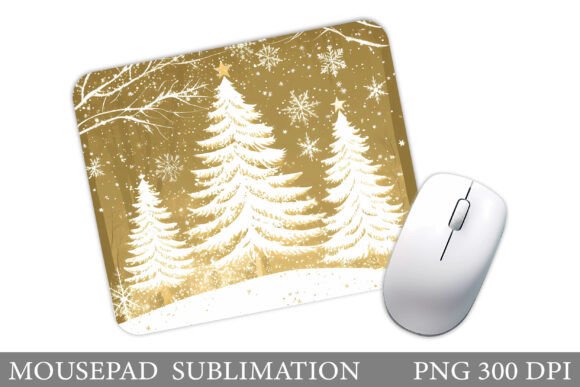
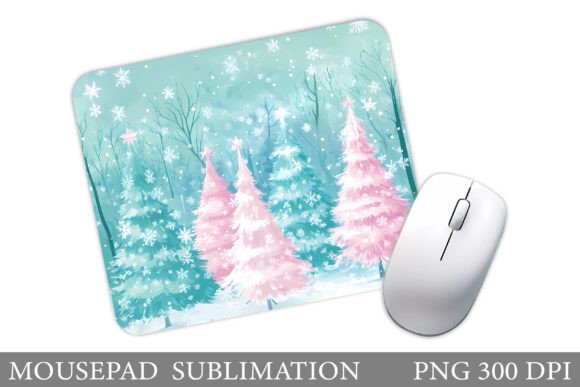
The immediate appeal of this piece lies in its cozy, nostalgic aesthetic. It captures that specific "winter wonderland" vibe without leaning into the cliché of overly bright, neon colors. The composition feels balanced, which is critical for embroidery because an unbalanced design often looks distorted once the fabric pulls against the stabilizer. The tree itself has a distinct silhouette that reads clearly even from a distance, a trait that is essential for items like tote bags or sweatshirts where the viewer might be three feet away.
What stands out most is the texture implied by the digital illustration. Even before digitizing, the concept suggests depth. In embroidery terms, this means we are likely looking at a combination of fill stitches for the body of the tree and perhaps some satin or running stitches for details like ornaments or snowflakes. This variety keeps the eye moving across the product, adding a tactile quality that flat printing simply cannot match. For anyone selling handmade products, that tactile element is what converts a browser into a buyer.
Real-World Application: Where This Design Shines
I don’t believe in one-size-fits-all solutions in embroidery. A design that works beautifully on a stiff canvas tote might look terrible on a soft baby onesie. Here is how I see the Winter Christmas Tree Mouse Pad Design performing in actual production scenarios.
- Holiday Apparel and Accessories: This design is a natural fit for custom apparel, particularly sweatshirts and hoodies. The winter theme aligns perfectly with fall and winter collections. When embroidered on a heavy cotton blend, the design holds its shape well, creating a premium feel that justifies a higher price point. It also works exceptionally well as an embroidered patch if you are creating lapel pins or bag charms.
- Home Decor and Textiles: Think beyond clothing. This design translates beautifully to pillow covers, tea towels, and kitchen aprons. The vertical orientation of a Christmas tree fits neatly into the center field of a standard 5x7 inch hoop, making it easy to produce in batches. For Etsy sellers, these are high-demand items during Q4, and having a clean, professional design ready to go can save you hours of last-minute digitizing.
- Baby and Nursery Items: If the line art is gentle enough, this design could work for baby clothes or nursery decor. However, this requires careful consideration of thread colors. Soft pastels or muted earth tones would make this suitable for a gender-neutral baby gift, whereas bright reds and greens might lean too traditional for modern nursery aesthetics.
- Commercial Embroidery Projects: For boutique branding, this design offers versatility. You can use it as a standalone logo on branded packaging tags or incorporate it into larger seasonal campaigns. Its clean lines ensure it remains recognizable even when scaled down slightly.
Technical Considerations and Potential Pitfalls
Not every project is a good candidate for this design. As an experienced reviewer, I need to highlight where you should exercise caution. Embroidery is a subtractive process in many ways; if you push a design too far, it fails.
Fabric Texture and Stability: Avoid using this design on highly textured fabrics like chunky knits or bouclé unless you are using a heavy-duty stabilizer. The needle penetration needs to be consistent, and uneven surfaces can cause skipped stitches. Similarly, thin fabrics like silk or lightweight rayon require a tear-away stabilizer to prevent puckering. If the design has dense fill areas, the fabric may pucker significantly if not hooped tightly.
Small Hoop Sizes: Be mindful of the minimum hoop size required. If you attempt to digitize or stitch this in a very small hoop (like 3x3 inches), fine details such as small ornaments or intricate branch patterns may merge together, losing their definition. Always check the stitch count and dimensions relative to your machine’s capabilities.
Dense Stitch Areas: If the design includes large solid fills, consider the thread tension. Too much thread in one area can lead to thread breaks or bird’s nests underneath the fabric. For dark fabrics, ensure you have enough underlay stitches to stabilize the base, otherwise, the vibrant thread colors won’t pop against the background.
Practical Designer Notes for Execution
Before you commit this Winter Christmas Tree Mouse Pad Design to your final product, follow these steps to ensure a professional finish:
- Test on Scrap Fabric: Never run a new design directly onto customer merchandise. Use a scrap of the exact fabric you plan to sell. This reveals issues with tension, color contrast, and fabric distortion early.
- Check Thread Color Contrast: Digital screens lie. What looks clear on your monitor might disappear on a dark navy sweatshirt. Test your thread choices against the actual fabric. Light threads on dark backgrounds usually require a denser stitch pattern to cover the fabric effectively.
- Review Stitch Density: Look closely at the digitization. Are there any areas where the stitch direction changes abruptly? Smooth transitions create a smoother surface. Jagged transitions can snag on clothing or other materials.
- Inspect Small Details: Zoom in on the finest details. Can they be stitched cleanly? If a detail is smaller than 1mm, it might just look like a blob of thread. Simplify if necessary.
- Black and White Mockup: Convert your design mockup to black and white. This helps you evaluate the value contrast and balance without being distracted by color. If the shapes don’t read clearly in grayscale, they won’t embroider clearly either.
- Confirm Licensing: If you intend to sell finished products made from this design, verify the license terms. Some files are for personal use only, while others allow commercial sales. Ignoring this step can lead to legal issues and financial penalties.
Final Verdict: Value and Buyer Engagement
The true test of any embroidery file is how it makes the end user feel. Handmade products are purchased for their emotional connection and perceived value. A well-executed embroidery design adds a layer of craftsmanship that customers are willing to pay a premium for. The Winter Christmas Tree Mouse Pad Design strikes a balance between festive cheer and understated elegance, making it a versatile asset for any creative entrepreneur.
For Etsy sellers and small shop owners, this design offers a low-risk, high-reward opportunity. It fits seamlessly into existing holiday collections and appeals to a broad demographic. Whether you are creating personalized gifts, custom apparel, or craft business inventory, this design provides a solid foundation. Just remember that the magic happens in the execution—proper stabilizer usage, correct hoop sizing, and careful thread selection are what separate a amateur craft from a boutique-quality product.
In summary, this is a reliable, visually appealing design that deserves a spot in your library. It respects the medium of embroidery while delivering a strong visual message. If you are looking to expand your digital product previews or add a touch of winter warmth to your finished product lineup, this is a smart choice. Just do your homework on the technical setup, and you’ll have a bestseller on your hands.